Featured
Table of Contents
It's essentially the "I" or your feeling of personal identification. Your mindful thinking and recognition of the world around you. Experiences you consciously recall. Feelings you're proactively experiencing and processing. It keeps a meaningful sense of self as you communicate with your setting, providing you recognition of how you fit right into the world and assisting you maintain your personal story about on your own in time.
They can additionally be positive or neutral elements of experience that have merely befalled of aware recognition. Carl Jung's individual unconscious is crucial because it significantly shapes your ideas, emotions, and behaviors, even though you're commonly uninformed of its impact. Ending up being conscious of its materials permits you to live more authentically, recover old wounds, and grow psychologically and psychologically.
:max_bytes(150000):strip_icc()/GettyImages-1301280991-800ff50d6b964cce8eb84e4bdd4a47f3.jpg)
A neglected childhood denial might create unexplained stress and anxiety in social circumstances as an adult. Complexes are psychologically charged patterns created by previous experiences.
Common examples include the Hero (the endure lead character that conquers difficulties), the Mommy (the nurturing guard), the Wise Old Guy (the advisor number), and the Shadow (the hidden, darker elements of character). We experience these archetypal patterns throughout human expression in old misconceptions, religious texts, literature, art, fantasizes, and modern-day narration.
Neuroscience Evidence for Trauma Therapy
This element of the archetype, the totally biological one, is the appropriate problem of scientific psychology'. Jung (1947) believes signs from various cultures are frequently very comparable due to the fact that they have emerged from archetypes shared by the whole mankind which become part of our cumulative unconscious. For Jung, our primitive past becomes the basis of the human mind, directing and affecting existing habits.
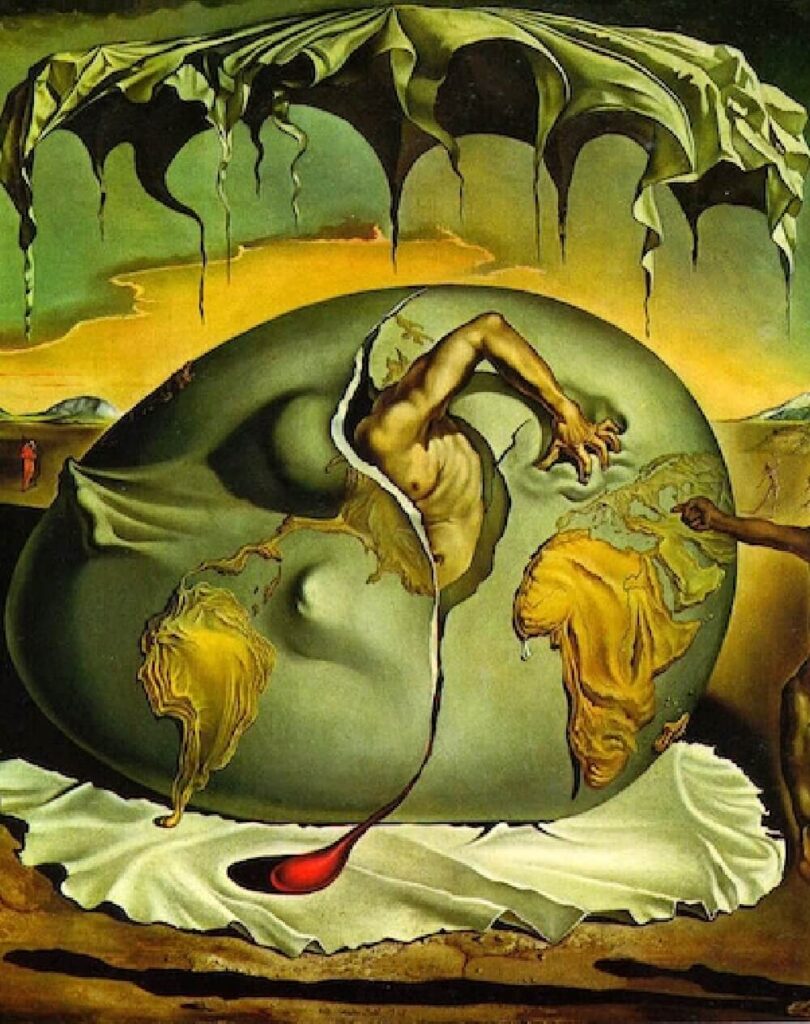
Jung identified these archetypes the Self, the Character, the Shadow and the Anima/Animus. The persona (or mask) is the exterior face we offer to the globe. It conceals our genuine self and Jung defines it as the "consistency" archetype. This is the general public face or duty a person provides to others as a person various from that we really are (like an actor).
The term stems from the Greek word for the masks that old actors made use of, representing the functions we play in public. You can assume of the Persona as the 'public relationships representative' of our ego, or the packaging that provides our vanity to the outdoors. A well-adapted Persona can greatly contribute to our social success, as it mirrors our true personality type and adapts to different social contexts.
An example would certainly be an educator who continually treats everybody as if they were their students, or somebody who is extremely authoritative outside their work atmosphere. While this can be frustrating for others, it's more bothersome for the specific as it can bring about an incomplete understanding of their full individuality.
The Intersection of Loss and Trauma
This typically causes the Character incorporating the much more socially appropriate traits, while the less preferable ones end up being part of the Darkness, an additional necessary component of Jung's personality concept. One more archetype is the anima/animus. The "anima/animus" is the mirror photo of our organic sex, that is, the subconscious feminine side in men and the masculine propensities in females.
As an example, the sensation of "love at initial sight" can be clarified as a man projecting his Anima onto a lady (or the other way around), which causes an immediate and extreme tourist attraction. Jung recognized that supposed "manly" characteristics (like freedom, separateness, and aggressiveness) and "feminine" attributes (like nurturance, relatedness, and empathy) were not confined to one sex or above the other.
Retraining Distressing Memory Associations
This is the animal side of our personality (like the id in Freud). It is the source of both our imaginative and damaging energies. According to evolutionary theory, it might be that Jung's archetypes show predispositions that as soon as had survival worth. The Darkness isn't merely unfavorable; it offers deepness and balance to our individuality, reflecting the concept that every element of one's personality has an offsetting counterpart.
Overemphasis on the Character, while ignoring the Shadow, can result in a surface character, preoccupied with others' understandings. Shadow aspects typically manifest when we project disliked traits onto others, acting as mirrors to our disowned facets. Involving with our Darkness can be difficult, however it's important for a balanced individuality.
Why to Consider Anxiety therapy
This interplay of the Identity and the Darkness is usually explored in literature, such as in "Dr. Jekyll and Mr. Hyde", where characters face their twin natures, further highlighting the compelling nature of this aspect of Jung's theory. There is the self which supplies a feeling of unity in experience.
That was definitely Jung's belief and in his publication "The Obscure Self" he said that many of the troubles of modern-day life are triggered by "male's dynamic alienation from his instinctual foundation." One aspect of this is his views on the relevance of the anima and the animus. Jung suggests that these archetypes are items of the collective experience of guys and females living with each other.
For Jung, the outcome was that the complete mental advancement both sexes was threatened. With each other with the prevailing patriarchal society of Western human being, this has caused the decrease of womanly top qualities entirely, and the predominance of the persona (the mask) has raised insincerity to a way of living which goes undoubted by millions in their day-to-day life.
Each of these cognitive functions can be expressed largely in a withdrawn or extroverted type. Allow's delve deeper:: This dichotomy has to do with just how individuals choose.' Thinking' individuals make choices based on reasoning and unbiased factors to consider, while 'Feeling' people choose based on subjective and personal values.: This duality concerns just how individuals perceive or collect info.

Latest Posts
Clinical Space for Meaningful Experiences in Santa Fe, NM
Helping Children Through the Assessment Journey
Why Holistic Treatment Addresses Root Causes